What to expect at your first TRT consultation in Florida
By Sofia Nair · Updated 2026-07-28
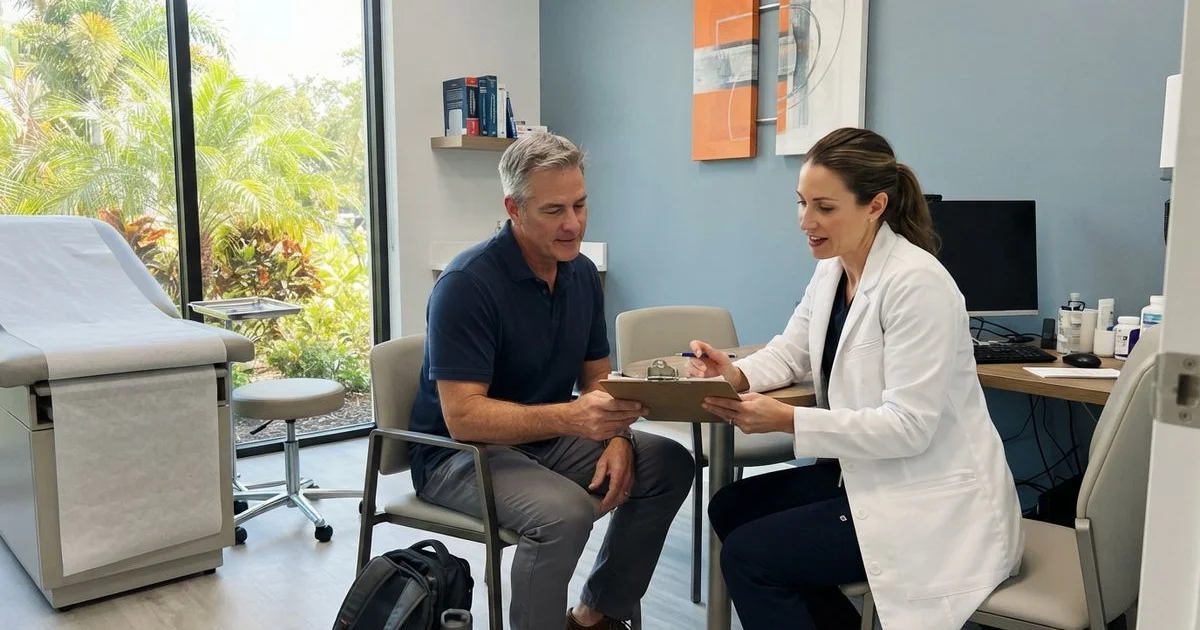
The first visit to a hormone replacement therapy clinic in Florida is mostly information gathering, not treatment. Knowing the general shape of it ahead of time makes it easier to spot a clinic that’s doing this properly versus one that’s rushing you toward a prescription. Here’s what a well-run first consultation typically looks like, start to finish.
Before you go
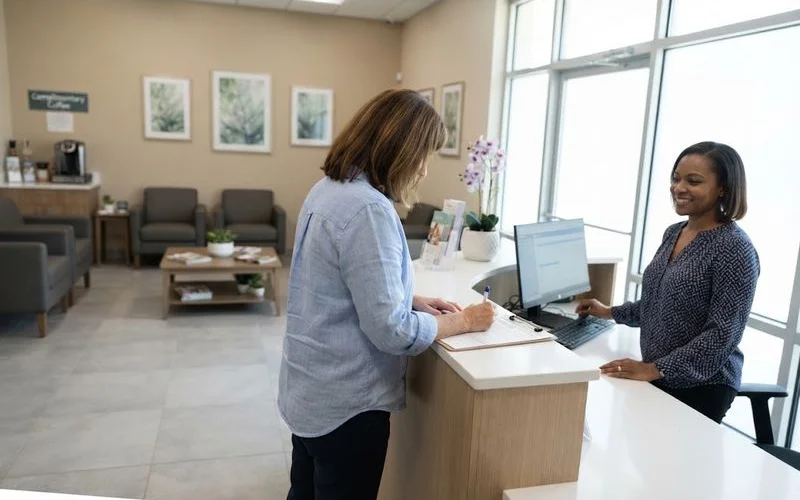
Most clinics ask new patients to fill out an intake form covering symptoms, medical history, current medications, and family history. Some send this ahead of time online; others hand it to you on arrival. If you’ve had any recent bloodwork done elsewhere, bring it. It can sometimes save you a repeat draw, especially if it’s recent enough to still be useful.
During the visit
| Step | What happens |
|---|---|
| Intake and history review | Staff or the provider go through your symptoms, medical history, and goals |
| Physical check | A basic exam, sometimes including blood pressure and weight |
| Blood draw | Labs checking testosterone and related markers, often done fasting |
| Initial discussion | The provider explains what they’re looking for and what happens next |
| Scheduling | A follow-up is set to review results, either in person or by phone |
A thorough first visit usually runs 45 minutes to an hour once you account for paperwork, the physical check, and an actual conversation with the provider. If the whole thing wraps up in ten minutes with a prescription already in hand, that’s a sign labs aren’t being taken seriously.
After your labs come back
Turnaround time varies. Some clinics can read basic hormone panels same day; others take a few business days depending on the lab they use. When your results are in, a good provider walks you through what the numbers actually mean rather than reducing it to “low” or “normal.” This is also when a legitimate clinic rules out other causes for your symptoms, like thyroid issues or sleep problems, rather than treating a low number as the only explanation worth considering.
What a treatment plan discussion covers
If your labs support starting treatment, the conversation should cover delivery method options, what monitoring will look like going forward, and realistic expectations for when you’ll notice changes. This is also the point to ask about cost, since a full picture of pricing, including labs and follow-up, matters more than the number on the intake paperwork.
If you already have recent labs
Some men arrive with bloodwork their primary care doctor already ordered, sometimes because a routine physical flagged something worth a closer look. If your labs are recent, usually within the last few months, many TRT clinics will accept them instead of redrawing everything, which can shorten the first visit considerably and save you a copay. Bring the actual report rather than a summary, since the provider will want to see specific values like total and free testosterone rather than a general “low” note.
In-person versus telehealth first visits
Florida has both models, and neither is automatically better. An in-person visit means the blood draw happens on-site and the physical check is hands-on. A telehealth visit typically routes you to a local lab for the blood draw, then handles the consultation and follow-up remotely. What matters more than the format is whether labs still happen properly and whether you can reach your provider without friction if something comes up between visits.
Red flags at this stage
Be cautious of any clinic that skips the physical check, doesn’t draw labs before discussing treatment, or pushes you to commit to a long-term package before you’ve even seen your results. A rushed first visit often predicts rushed follow-up care later.
This describes a general first-visit process; the specific structure of your appointment will depend on the clinic you choose. This is general information, not medical advice.
Comparing clinics before you book
Our scores account for how consistently a clinic performs over time, not just its average rating; the full methodology explains the weighting. Browse the ranked list of Florida providers from the homepage to see how clinics compare before scheduling your own first visit.
FAQ
- Do I need to fast before my first TRT appointment?
- Many clinics ask you to fast for 8 to 12 hours before bloodwork, since some markers like cholesterol are affected by food. Confirm with your specific clinic when you book, since requirements vary.
- Will I get a prescription on the same day as my first visit?
- Not usually. Most legitimate clinics need your lab results back first, which can take anywhere from a same-day reading to a few business days, before recommending a specific treatment plan.
- What should I bring to the appointment?
- A photo ID, insurance information if you're using it, a list of current medications, and any recent bloodwork you've already had done. Having prior labs on hand can sometimes save you a repeat draw.
- How long does the first appointment usually take?
- Plan for 45 minutes to an hour for a thorough intake, symptom review, and blood draw. A rushed 10-minute visit that skips most of this is worth questioning.